Upgrade Your Outdoor Area: Expert Garden Design Tips for a Gorgeous Home Landscape
Turning an outdoor space into a stunning home garden requires careful planning and deliberate action. By assessing the characteristics of a yard, homeowners can establish specific garden objectives. Selecting vegetation that suit the local climate is vital. Furthermore, incorporating practical hardscaping elements enhances both visual appeal and practical function. Yet, the process won't finish there. Finding ways to sustain vibrancy and environmental health can take any landscape to greater heights. What approaches ensure long-term success?
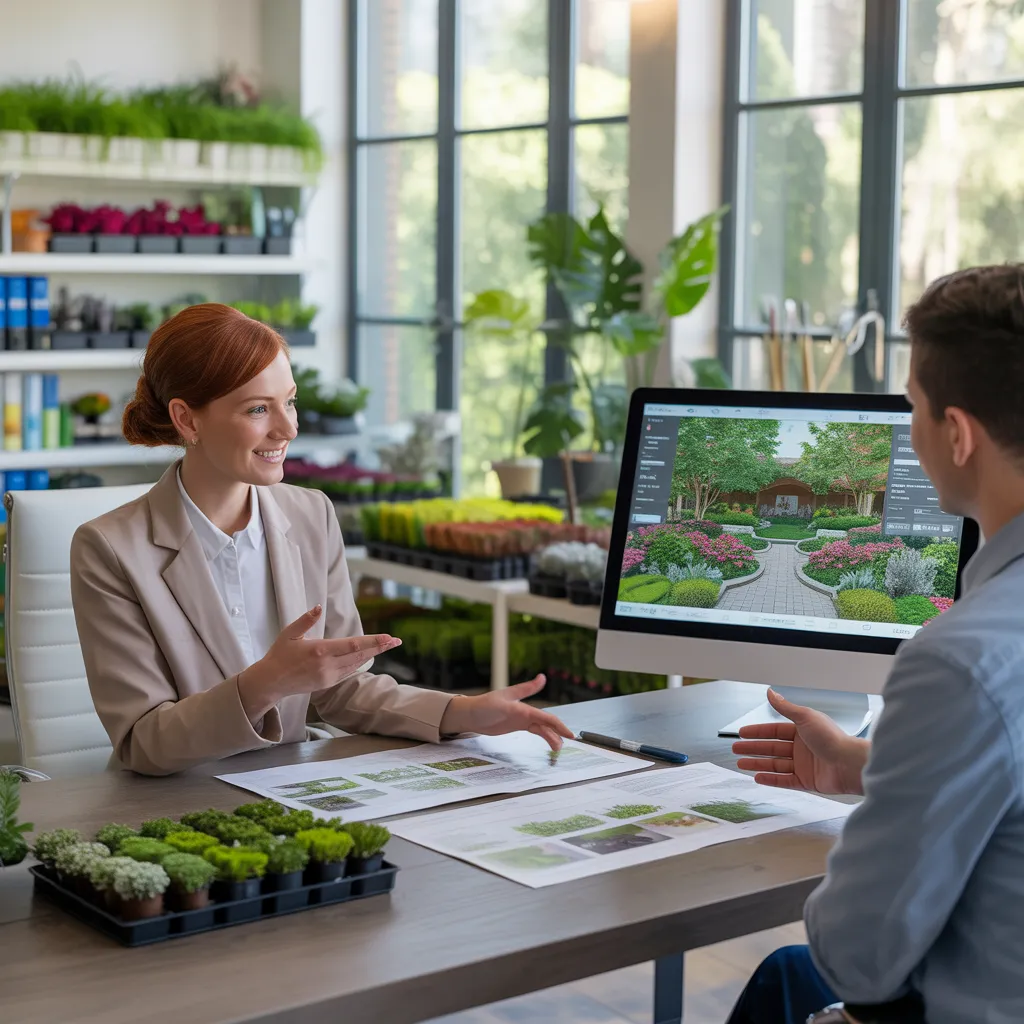
Assess Your Space to Define Your Landscaping Goals
Before commencing any landscaping project, it is essential for residents to completely assess their exterior setting. This initial evaluation enables them to grasp the unique features of their property, including light exposure, soil composition, and existing vegetation. Recognizing these elements helps in determining what types of design elements can be successfully integrated into the environment.
Homeowners should record measurements and note any obstacles such as trees, barriers, or pathways that could influence the layout. Furthermore, understanding individual tastes and lifestyle needs—including entertainment areas, plant cultivation, or leisure—can direct the garden objectives. By clearly defining these aims, property owners set a strong foundation for a cohesive and functional outdoor environment. This careful evaluation ultimately leads to a more rewarding and successful landscaping project, guaranteeing the exterior environment enhances not just the home's aesthetic but also meets the practical needs of its residents.
Select the Best Plants for Your Local Climate
Determining the right plants for a specific climate is vital for creating a thriving outdoor space. Grasping local weather patterns, such as temperature ranges, rainfall, and humidity, helps homeowners select plants that will flourish. Native plants often adapt most effectively, needing minimal maintenance and water. As an example, water-efficient plants are perfect for arid regions, whereas water-preferring plants flourish in moisture-rich environments.
Gardeners should further consider climate variations; selecting vegetation that offers continuous visual appeal improves the garden. Spring-flowering plants, warm-season vegetation, and vibrant fall foliage can create a dynamic visual experience. Furthermore, speaking with local gardening centers or agricultural resources can provide valuable insights into durable vegetation adapted for particular regions.
Ultimately, a strategically designed vegetation arrangement not just improves visual appeal but additionally supports local wildlife and promotes ecological health, making it a smart decision for any outdoor space transformation.
Elevate Your Garden Through Useful Hardscape Additions
Functional hardscaping elements prove vital in creating exterior layouts and enhancing their usability. By incorporating seating areas and expertly planned walkways, homeowners can create inviting environments that encourage rest and activity. Additionally, borders can help delineate different zones within the garden, adding structure and visual interest.
Establish Your Outdoor Setting
Creating a thoroughly structured outdoor space can transform a garden into a welcoming retreat. One reliable technique to achieve this is through practical landscape features, which provide organization and layout. Walkways made from brick or stone guide visitors while enhancing aesthetics. Retaining barriers can form tiered levels, enhancing the garden's overall design and preventing soil degradation. Barriers or lattices can mark borders, ensuring seclusion and a feeling of containment. Adding elevated planting areas not only defines planting areas but also makes them more accessible. These elements function together to establish separate areas that improve both visual appeal and practicality. Ultimately, a well-organized outdoor space creates a peaceful setting where homeowners can relax and enjoy nature.
Add Resting Zones
Incorporating seating areas into an outdoor space greatly maximizes its functionality and charm. By integrating functional hardscaping elements, homeowners can design welcoming areas for relaxation, socializing, or enjoying nature. Options include benches, patio sets, or hammocks, each contributing to the garden's aesthetic and pleasure. Strategically placing seating near key features like garden beds or water installations, inspires visitors to interact with their surroundings. Additionally, using materials like stone or wood can complement the garden's design, creating design harmony. Shade structures, such as garden structures or sun shields, provide comfort during summer seasons, enabling these spaces to function year-round. Ultimately, well-designed seating areas elevate a standard yard into a charming sanctuary for relatives and guests.
Create Walkways And Edges
Pathways and edges serve as vital aspects in outdoor environments, leading people through the garden while elevating its general layout. They create a sense of organization and flow, assisting in distinguishing various zones and plant arrangements. Materials such as pavers, gravel, or stone can be used to build sturdy pathways, while natural borders made from hedges or ornamental barriers can boost visual interest. Additionally, pathways can promote discovery, guiding eyes to centerpieces like garden beds or fountain features. Properly designed borders can also stop unwanted plant growth and ground degradation, enhancing garden longevity. Ultimately, integrating pathways and borders not only improves functionality but also enhances the stylistic elegance of the landscape environment, transforming it into a more attractive and delightful place.
Create Movement With Walkways and Sitting Spaces
A well-designed outdoor space often features a harmonious flow achieved through thoughtfully placed pathways and seating areas. Pathways guide visitors through the garden, creating a clear sense of direction while enhancing the overall aesthetic. Using materials like stone, gravel, or wood can contribute to the pathway's visual appeal and guarantee durability.
Rest zones offer resting spots, encouraging visitors to stop and enjoy the environment. Placing seating deliberately near highlights, like a water feature or a planted area, promotes engagement with the outdoor setting. Your seating selection—chairs, benches, or even swings—will affect the mood, whether formal or relaxed.
Blending pathways and seating zones creates an appealing atmosphere, improving practicality and satisfaction. Used together, they form a fluid movement across multiple regions of the garden, inspiring wandering and peace, finally converting any outdoor location into a serene hideaway.
Enrich Your Outdoor Space With Seasonal Shades and Character
To improve the aesthetic quality of a landscape, thoughtful choosing of seasonal varieties is critical. Combining various textural qualities can bring dimension and engagement, as well as carefully positioned highlights can capture attention and develop a unified composition. All these aspects combined assure a lively and engaging exterior environment all year long.
Decide on Seasonal Plants Wisely
Selecting season-appropriate plants wisely can turn your garden into a magnificent tapestry of colors and textures. By selecting plants with staggered bloom cycles, gardeners can maintain an endless succession of blooms. Spring-flowering specimens, summer color providers, fall-flowering perennials, and winter evergreens each deliver unique color palettes and structures to the landscape. It is vital to remember local environmental conditions and ground composition, as well as the plants' growth patterns. Native species often thrive better and require less maintenance, enhancing biodiversity. Additionally, pairing plants with different heights and seasonal blooms can establish an eye-catching visual effect. Ultimately, thoughtful selection fosters a landscape that evolves seasonally, delivering enjoyment throughout the entire year.
Create Textured Layers To Achieve Depth
Making depth in a garden involves blending textures that harmonize with and boost seasonal colors. By combining various plants with diverse leaf configurations, scales, and palettes, one can achieve a visually dynamic landscape. For instance, the use of broad-leaved plants alongside fine-textured grasses can create contrast and intrigue. Additionally, integrating bark, stones, and other natural materials introduces tactile elements that enrich the overall experience. Seasonal flowers must be thoughtfully placed to provide bursts of color throughout the year, ensuring that each layer remains visually interesting. This strategic plan not only draws the eye across the garden but also builds an engaging setting where every detail contributes to the garden's beauty and harmony.
Include Visual Centers Strategically
Strategically arranging visual focal elements can greatly improve a garden's aesthetic appeal and seasonal vibrancy. These focal points serve as anchors that draw the eye and create a cohesive design. Gardeners can utilize features like art pieces, specimen trees, or brilliant plantings to establish visual interest. Blooming displays can be infused by means of the mindful selection of plants with staggered flowering maintaining the garden's vibrancy across all seasons. Textures also play a significant role; pairing polished walkways with coarse textures or thick vegetation introduces layering. By thoughtfully placing these elements, a gardener can foster a welcoming space that prompts discovery and delight, transforming an outdoor space into an engaging retreat.
Utilize Eco-Friendly Strategies for Supporting a Flourishing Garden
Embracing sustainable approaches is vital for nurturing a flourishing garden that thrives in harmony with the ecosystem. Horticulturists are urged to utilize native plants, which necessitate reduced irrigation and upkeep while boosting area animals. Using chemical-free approaches, such as nutrient enrichment and natural pest control, can significantly minimize synthetic inputs, fostering a improved natural system
Water-efficient techniques, such as drip irrigation and collecting rainwater, further enhance sustainability by enhancing resource management. Applying mulch not only preserves hydration while also reduces weeds, reducing the requirement for chemical weed control. Furthermore, promoting plant variety by integrating a variety of plants encourages durability to pest infestations as well as infections.
Soil quality is vital; techniques including rotating crops and soil-covering plants sustain nutrient balance excluding the need for synthetic fertilizers. Through adopting these eco-friendly methods, horticulturists can build a flourishing environment supporting both plants and ecological balance, producing a more satisfying horticultural experience.
Troubleshoot Common Difficulties for All-Season Landscape Beauty
A well-kept garden can face many challenges during all seasons, influencing its overall appearance plus health. Typical problems include insect problems, insufficient nutrients, plus insufficient water. Recognizing pests in advance is important; plant growers should routinely examine leaves for damage indicators as well as handle pest issues with chemical-free pesticides alternatively adding beneficial insects.
Lacking minerals commonly display as yellowing leaves as well as reduced growth. Running soil analysis can help identify particular demands, permitting to evidence enable focused fertilization Insufficient nutrients frequently appear as discolored leaves and reduced growth. Performing soil tests can assist pin down particular necessities, permitting strategic fertilizer use bringing back balance. Also, guaranteeing correct watering is crucial; too much water can lead to rotted roots, whereas under-irrigation strains vegetation.
Seasonal changes additionally demand changes to maintenance. Throughout winter, applying mulch guards plant roots from ice, whereas summer months may require increased watering and shade for fragile plants. Through addressing these frequent challenges promptly
Should I Execute Outdoor Work Independently or Employ a Expert?
Certainly, you can manage garden work solo, using web-based guides and innovation. Nonetheless, engaging an expert provides knowledge, efficiency, and enhanced results, particularly for complicated projects or substantial jobs requiring specialized skills.
Which Tools Are Necessary for Yard Landscaping?
Important implements for home garden work include a standard rake, shovel, spade, pruning shears, cultivator, and a garden hose or water can. These implements help successfully handle dirt, vegetation, and complete garden maintenance, delivering quality landscaping.
How Can I Adequately Preserve My Landscape Over the Year?
For preserving a garden area all year long, you should routinely prune garden plants, use mulch for temperature control, monitor moisture levels, and establish seasonal planting strategies. Furthermore, insect control and nutrient application are essential for vigorous, healthy vegetation.
Comments on “Durable Outdoor Features through Expert Hardscaping”